
From her very beginning, the Church of Christ lived under attack. The Lord Himself warned His disciples:
“If they persecuted Me, they will also persecute you”
John 15:20
Orthodox Christianity was born in a world hostile to truth, surrounded by unbelief, pride, and cruelty. Yet the Church did not merely survive; she triumphed.
The early centuries of Christianity reveal three great assaults against the Body of Christ.
- The first came from the Jewish leaders who rejected the Messiah.
- The second came from the Roman emperors, who tried to crush the faith with violence.
- The third came from within—false teachings and heresies that sought to corrupt the truth.
In every case, the Church conquered not by the sword, but by the blood of martyrs, the prayers of saints, and the guidance of the Holy Spirit.
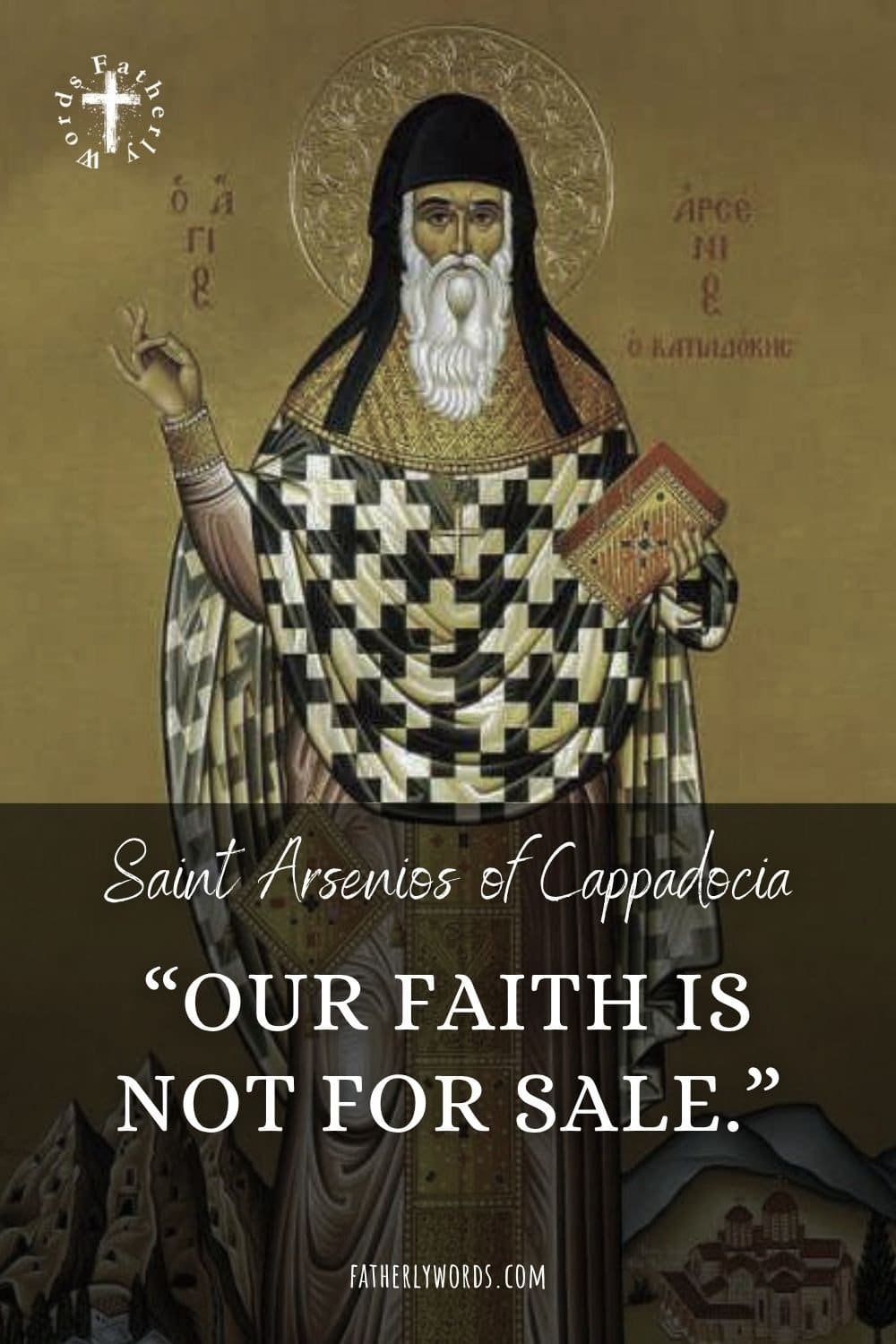
The First Attack: The Opposition Of The Jews
The first persecution came from the very people among whom Christ was born. The Lord was a Jew according to the flesh, raised in the traditions of Israel, and He came to fulfill the Law and the Prophets. But the leaders of the nation refused to recognize Him.
“He came unto His own, and His own received Him not”
John 1:11
The apostles began their mission in Jerusalem. Saint Peter preached boldly to the same people who had cried out, “Crucify Him!”
Yet thousands of Jews believed, including priests and scholars. Others, however, were enraged. They arrested the apostles, beat them, and forbade them to speak in the name of Jesus.
The first Christian martyr, Saint Stephen, was stoned to death by the Sanhedrin while praying:
“Lord, lay not this sin to their charge”
Acts 7:60
His blood became the seed of new believers.
Even Saul, who watched his death approvingly, would later be transformed into the Apostle Paul by the mercy of Christ.
The persecution spread beyond Jerusalem. Believers fled to other cities, but instead of silencing them, this only carried the Gospel farther. Wherever they went, they preached the risen Christ.
What their enemies meant for destruction became the means by which the faith spread throughout the world.
Saint John Chrysostom observed:
“The Church is like a great tree: the more its branches are cut, the more it grows.”
The Jewish rejection of Christ could not extinguish His light, for the covenant had passed from the old Israel of the flesh to the new Israel of the Spirit—the Church, the Body of Christ.
The Second Attack: The Persecution By The Roman Empire
As the Gospel spread through the cities of the empire, a new enemy arose—the might of Rome. The emperors could not tolerate a faith that refused to worship them as gods. Christians were accused of atheism, superstition, and treason.
Yet the true reason for Rome’s hatred was spiritual. The Roman world was built on pride, power, and pleasure. Orthodox Christianity preached humility, chastity, and the Kingdom of Heaven. The two worlds could not coexist in peace.
From Nero to Diocletian, the early Church endured waves of persecution. Christians were thrown to wild beasts, burned alive, crucified, and tortured.
- Nero covered believers in pitch and set them aflame to light his gardens.
- Domitian exiled Saint John the Theologian to Patmos.
- Under Decius, thousands were forced to choose between sacrifice to idols or death.
Still, the Church did not perish. Every martyr became a living sermon. The courage of the faithful astonished the pagans. Tertullian, one of the early writers, declared:
“The blood of the martyrs is the seed of the Church.”
The witness of the martyrs proved that Christ’s promise was true:
“Be faithful unto death, and I will give you the crown of life”
Revelation 2:10
When the empire used fear, the Church answered with faith. When it used violence, she responded with forgiveness. The more the Christians were slain, the faster their numbers grew.
The Triumph Of Faith Over Empire
In the year 313, after nearly three centuries of suffering, the persecution ended. Emperor Constantine, who saw the Cross in a vision before battle, granted freedom to the Church through the Edict of Milan. The symbol of execution became the emblem of victory.
This triumph was not political but spiritual. The Church had conquered the empire without an army, without rebellion, and without wealth. Her weapons were prayer, fasting, and love.
Saint Augustine later wrote:
“The earthly city was conquered by the city of God.”
Rome, once proud of her idols, now bowed before the sign of the Cross. Pagan temples fell, and Christian altars were raised in their place.
The victory revealed the eternal truth of Orthodox Christianity: no earthly power can defeat the Church, for she is founded on Christ Himself.
“The gates of Hades shall not prevail against it”
Matthew 16:18
The Third Attack: The Rise Of Heresies
When the external persecutions ceased, a more dangerous enemy appeared from within—the distortion of truth. Heresies threatened to divide and corrupt the Church from the inside.
The first great heresy was that of Arius, who denied the divinity of Christ, teaching that the Son was a creature rather than true God. This false teaching spread rapidly, confusing even bishops and emperors.
The danger was immense, for if Christ were not truly God, then humanity could not be truly saved. Only God could redeem man from death. The Church, guided by the Holy Spirit, rose to defend the truth.
In the year 325, the First Ecumenical Council was held in Nicaea, where the holy Fathers proclaimed the eternal truth:
“The Son of God is of one essence with the Father.”
Saint Athanasius the Great stood almost alone against the world, yet he never yielded. “If the world is against the truth,” he said, “then I am against the world.” His faith preserved the Church from falling into error.
Other heresies followed—Nestorianism, which divided Christ into two persons; Monophysitism, which denied His full humanity; and many more.
Each time, the Church gathered in council, prayed, and proclaimed the truth revealed by the Holy Spirit.
This struggle continues in every age. Heresy is not only false teaching but the pride that refuses correction.
Orthodox Christianity endures because it does not invent truth but guards it. The faith once delivered to the apostles remains unchanged.
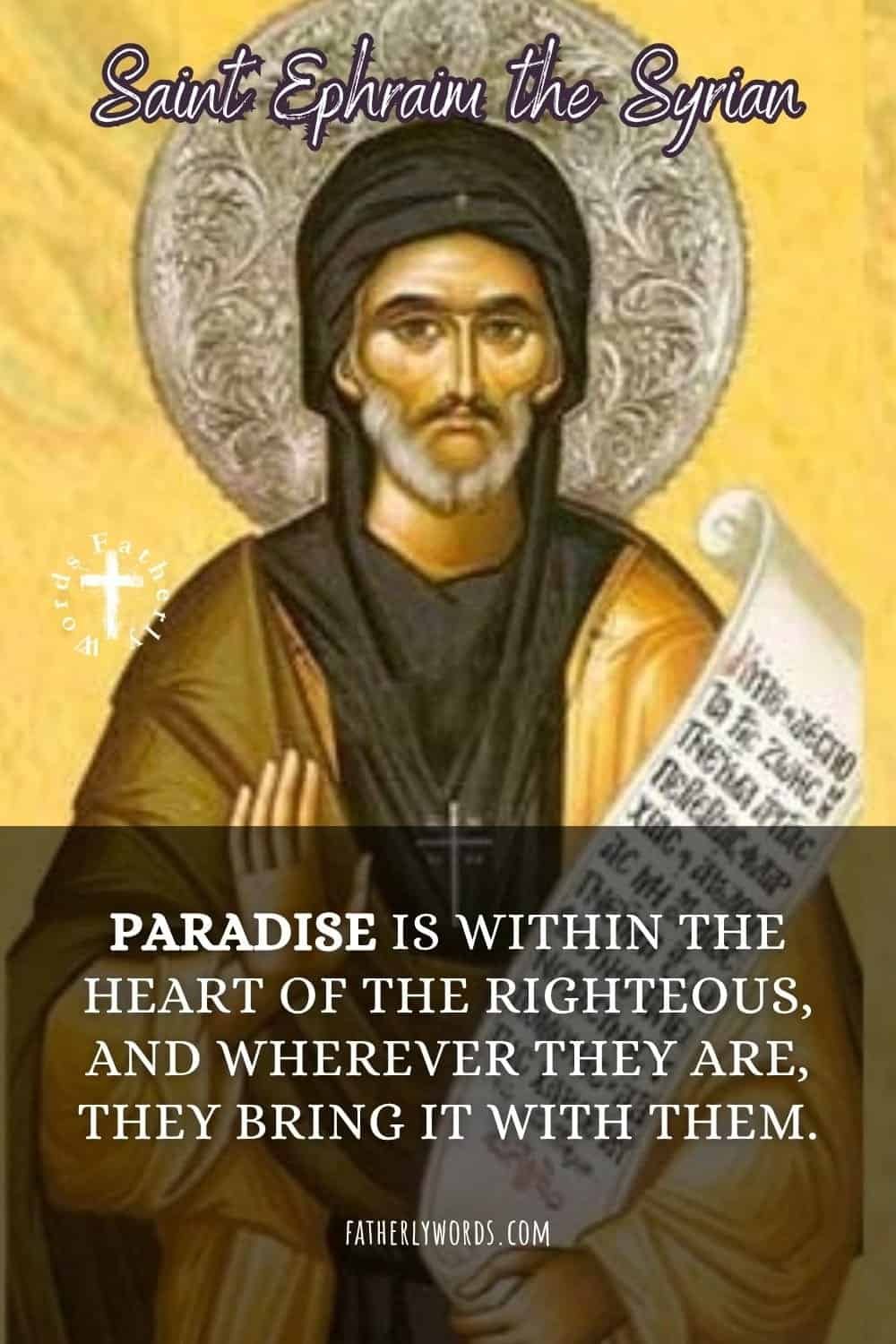
The Power Behind The Church’s Endurance
What gave the early Christians such strength? It was not human courage but divine grace. The Holy Spirit guided the Church in every trial.
When the apostles were imprisoned, they prayed and sang hymns, and the prison doors opened (Acts 16:25–26).
When Stephen was martyred, he saw the heavens opened and Christ standing at the right hand of God. When the martyrs faced death, they rejoiced as if going to a wedding feast.
The words of the Psalmist were fulfilled:
“God is our refuge and strength, a very present help in trouble”
Psalm 45
Saint Cyprian of Carthage wrote during persecution:
“The Church is one, even if she is spread throughout the world. The sun has many rays, but its light is one; so it is with the Church.”
The unity and endurance of the Church were living miracles of divine providence.
The Witness Of The Martyrs
The early martyrs were not heroes in a worldly sense; they were witnesses of divine love.
The word “martyr” in Greek means “witness.”
They confessed Christ not only with words but with their lives and deaths.
Saint Ignatius of Antioch, on his way to execution in Rome, wrote to his flock:
“Allow me to be food for the wild beasts, through whom I may reach God.”
He longed not for death but for union with Christ.
Their example reminds every Orthodox Christian that faith is not comfort but sacrifice. True love for Christ demands total surrender.
The saints were not extraordinary by nature but by grace. They show what every believer can become when the heart is filled with the Spirit.
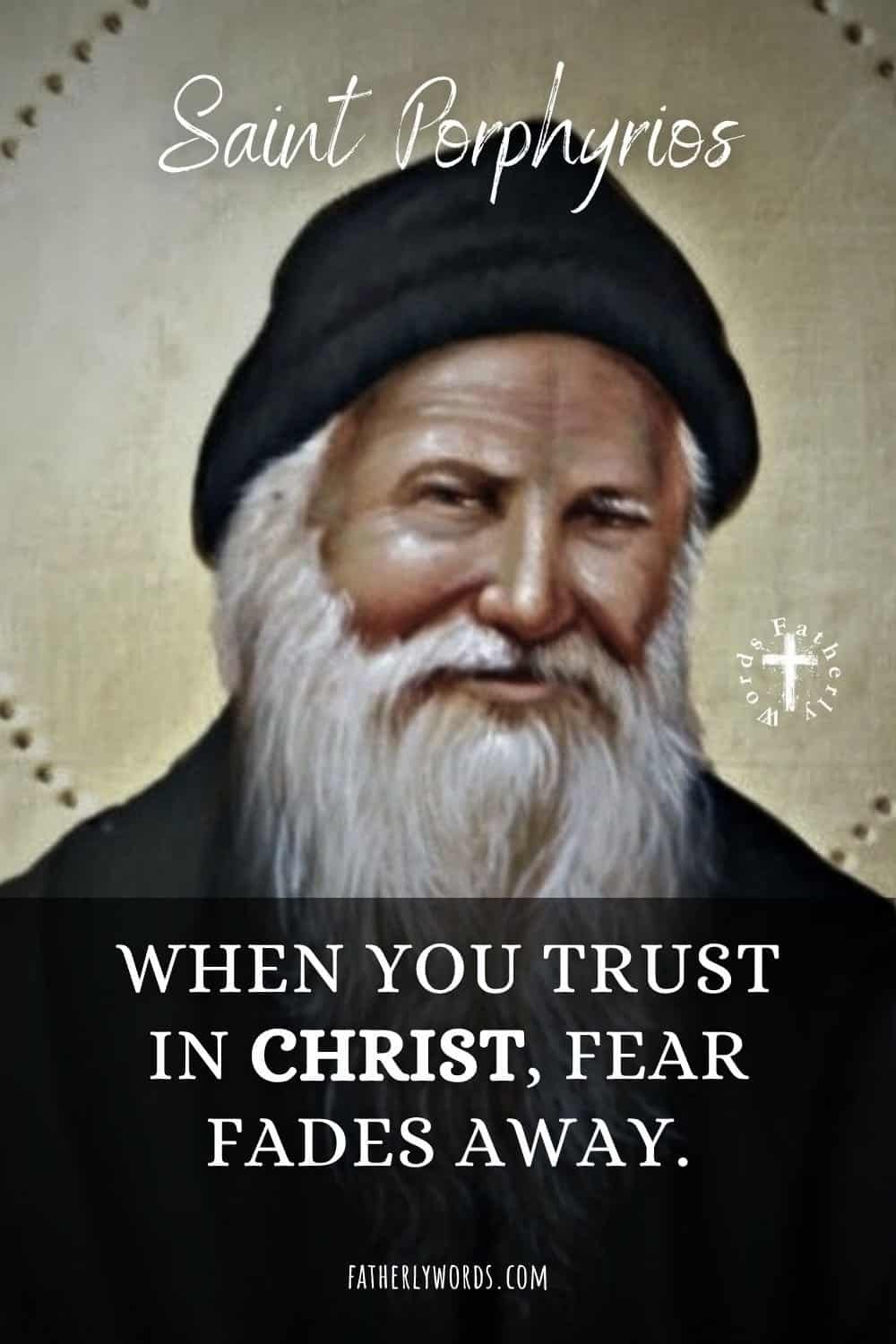
The Role Of The Holy Fathers
During the great heresies, the Fathers of the Church defended the faith through prayer, fasting, and study of Scripture. They did not invent new doctrines but preserved the truth given by Christ.
Saint Basil the Great, Saint Gregory the Theologian, Saint John Chrysostom, and Saint Athanasius are among those who guided the Church with wisdom. Their writings still nourish Orthodox Christians today.
Saint Basil wrote:
“We must hold fast to the teachings that have come down to us, not adding or removing anything.”
This reverence for tradition is what keeps Orthodox Christianity alive and pure, unshaken by the storms of time.
The Triumph Of The Church
The persecutions ended, the heresies were defeated, and the Church remained one, holy, catholic, and apostolic. Her victory was not in power or wealth but in holiness.
Saint John Chrysostom once said:
“The Church is a ship that may be battered by the waves, but it will never sink, for Christ Himself is at the helm.”
The endurance of the Church throughout centuries of trials proves her divine origin.
The same faith that sustained the martyrs continues today. Every generation faces its own persecutions—some visible, some hidden—but the grace of God remains unchanged. The Church stands as the living witness that truth cannot die.
How To Explain This To Children
Parents can tell their children that long ago, many people tried to destroy the Church of Jesus. Some people hurt Christians, others made laws against them, and some taught wrong things. But God never left His people. He gave them courage to stay faithful.
Children can learn that being a Christian sometimes means being brave. They can be told that the saints and martyrs were not afraid because they loved God more than anything.
When they pray, obey, and tell the truth, they are standing on the same side as those first Christians who loved Jesus with all their hearts.