
One of the most common questions in Orthodox Christianity is this: if God truly wants all people to believe, why does He not show undeniable miracles to everyone? Why does He not appear openly in the sky, remove all doubt, and force humanity into faith?
At first glance, this question seems logical. Many assume that stronger miracles would produce stronger belief. Yet Orthodox Christianity teaches something very different. God does perform miracles, but He never uses them to force faith. This is not a limitation of His power. It is a revelation of His love.
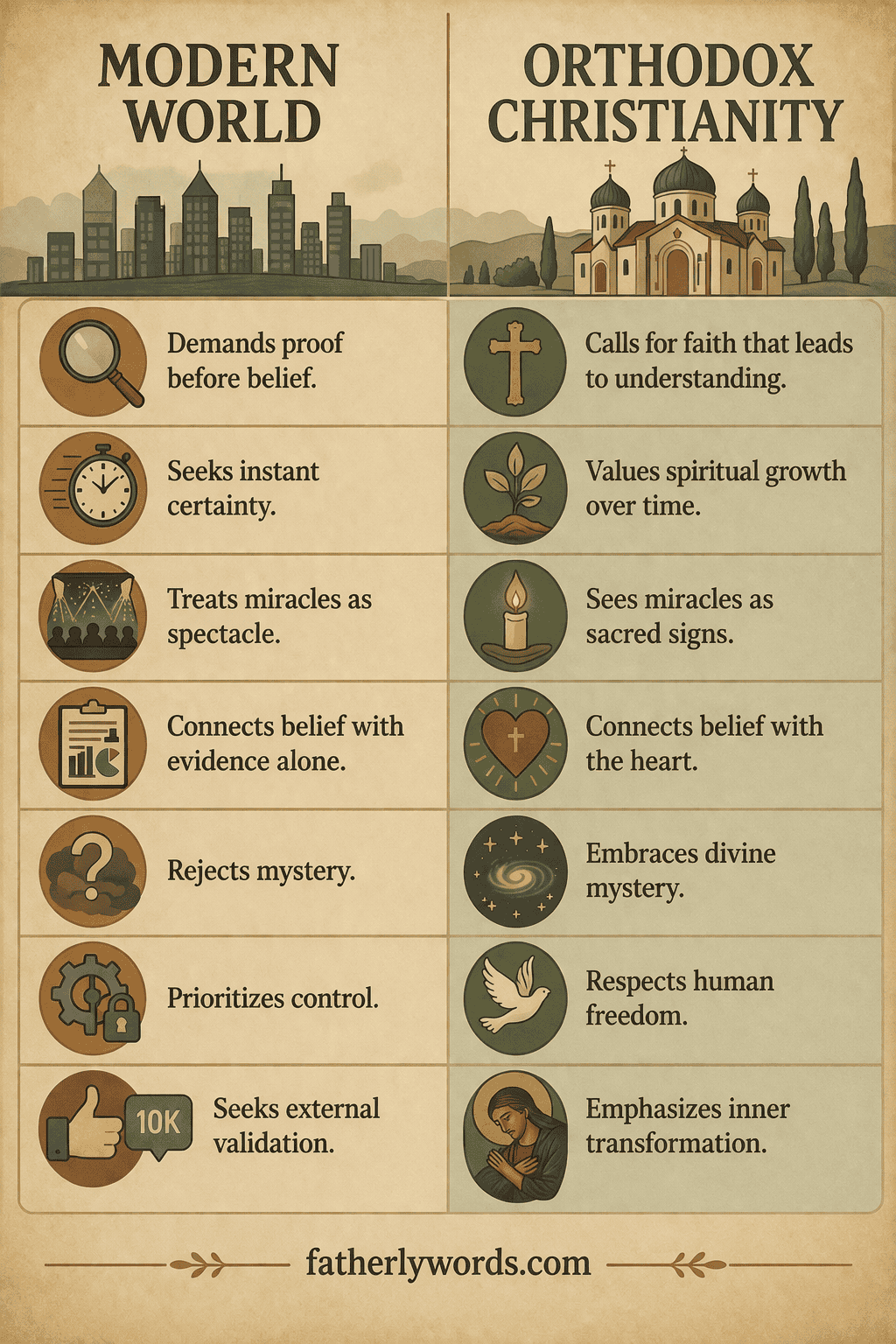
Faith, in Orthodox Christianity, is not submission to overwhelming evidence. It is a free relationship between the human person and God. If belief were forced, love would disappear, and salvation would lose its meaning.
The Nature Of Faith In Orthodox Christianity
Faith is not simply accepting facts. It is a movement of the heart toward God. It involves trust, humility, and willingness to encounter divine truth.
Scripture reveals this clearly:
“Blessed are those who have not seen and yet have believed.”
John 20:29
This does not mean faith is blind. It means faith is free. God invites, He does not compel.
Saint Isaac the Syrian teaches:
“God does not reveal Himself to force belief, but to awaken love.”
Orthodox Christianity understands faith as a personal response, not an automatic reaction to power.
What Miracles Really Are
Miracles are real in Orthodox Christianity. They are not illusions or symbols. They are manifestations of God’s presence and activity in the world. However, their purpose is not to overwhelm human freedom.
Christ Himself performed many miracles, yet many who saw them still did not believe.
The Gospel says:
“But although He had done so many signs before them, they did not believe in Him.”
John 12:37
This reveals something important. Miracles alone do not create faith. The human heart remains free to accept or reject God.
Saint John Chrysostom explains:
“Miracles do not compel belief, but prepare the soul for it.”
Why God Does Not Force Belief
God created human beings with freedom. This freedom is essential. Without it, there can be no love, no repentance, no real relationship.
The Psalms speak of this dignity:
“I said, You are gods, and all of you are children of the Most High.”
Psalm 81:6 (LXX)
Human beings are called to participate in divine life, not as slaves but as free persons.
If God forced faith through undeniable miracles, human freedom would be destroyed. People would not believe because they love God, but because they cannot deny Him.
Orthodox Christianity rejects such coercion. God seeks willing hearts.
The Difference Between Revelation And Coercion
God reveals Himself constantly, but He does so in a way that respects freedom. There is a difference between showing truth and forcing acceptance.
Christ says:
“Behold, I stand at the door and knock.”
Revelation 3:20
He does not break the door. He waits.
Saint Gregory the Theologian writes:
“God persuades, He does not compel.”
This is a fundamental principle of Orthodox Christianity. Divine love is gentle, patient, and respectful.
Why Even Great Miracles Do Not Guarantee Faith
History shows that even the greatest miracles do not produce lasting belief.
The Israelites saw the Red Sea part, yet they later doubted God.
The Psalmist recalls this:
“They forgot His works and the wonders that He had shown them.”
Psalm 77:11 (LXX)
This reveals a deep truth. Faith does not depend on external signs alone. It depends on the condition of the heart.
Christ Himself raises Lazarus from the dead, yet some still seek to kill Him afterward. This shows that miracles can be rejected when the heart is hardened.
The Danger Of Forced Faith
If faith were forced through overwhelming miracles, it would not be true faith. It would be submission without love.
Orthodox Christianity teaches that salvation is not about fear or compulsion. It is about union with God.
Saint Maximus the Confessor teaches:
“God draws the soul by love, not by necessity.”
If belief were unavoidable, there would be no virtue in choosing God. Repentance would lose its meaning, and spiritual growth would disappear.
How God Truly Reveals Himself
God reveals Himself in ways that invite rather than force. He speaks through creation, Scripture, the Church, and personal experience.
The Psalms declare:
“The heavens declare the glory of God.”
Psalm 18:2 (LXX)
Creation itself is a witness. Yet it does not force belief. It invites reflection.
God also reveals Himself through Christ, who comes in humility, not in overwhelming power.
“Learn from Me, for I am gentle and lowly in heart.”
Matthew 11:29
This gentleness is essential. It allows the human person to respond freely.
The Role Of Miracles In Orthodox Christianity
Miracles still exist in the life of the Church. Saints perform miracles, icons stream myrrh, prayers bring healing. Yet these are signs, not proofs.
They strengthen those who already believe and help open the hearts of those who are searching.
Saint Porphyrios teaches:
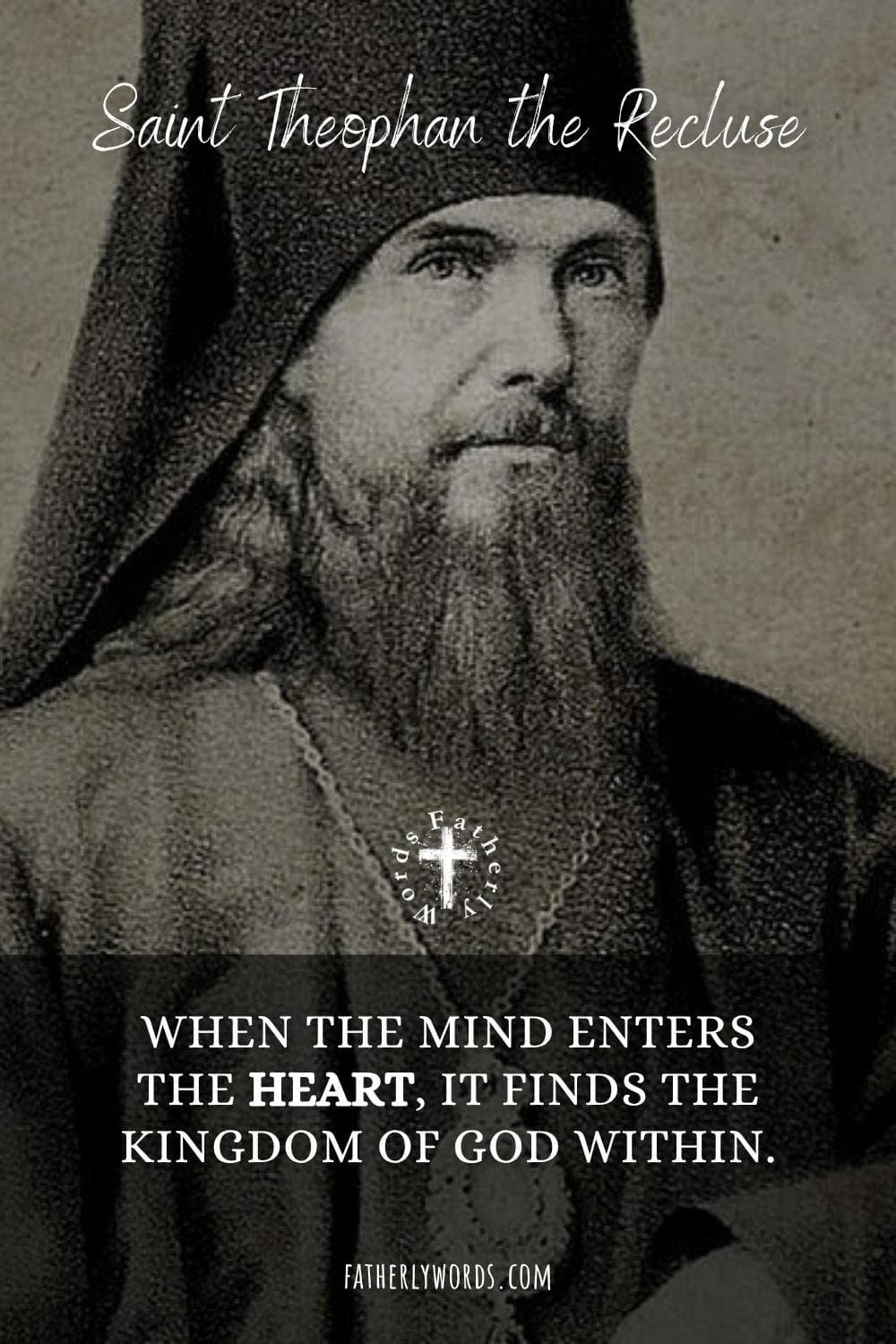
“The greatest miracle is the transformation of the human heart.”
This is the true goal of Orthodox Christianity.
Why Christ Refused To Perform Spectacular Signs
At times, Christ was asked to perform signs to prove His identity. He refused.
The Gospel says:
“An evil and adulterous generation seeks after a sign, and no sign will be given to it.”
Matthew 12:39
This refusal is not weakness. It is wisdom. Christ does not satisfy curiosity. He calls for repentance and faith.
When the devil tempted Christ to perform a miracle by throwing Himself from the temple, He refused again. This shows that miracles are not tools for proving power.
The Inner Condition Of The Heart
The ability to believe depends on the state of the heart. A humble heart recognizes God. A proud heart resists Him.
The Psalmist prays:
“A broken and humbled heart God will not despise.”
Psalm 50:19 (LXX)
Orthodox Christianity teaches that repentance opens the way to faith. Without humility, even the greatest miracle remains ineffective.
The Personal Encounter With God
God does not force belief, but He constantly calls each person. Every moment of life becomes an opportunity to respond.
Christ says:
“He who has ears to hear, let him hear.”
Matthew 11:15
Faith begins quietly. It grows through prayer, repentance, and participation in the life of the Church.
Saint Seraphim of Sarov teaches:
“Acquire the Spirit of peace, and thousands around you will be saved.”
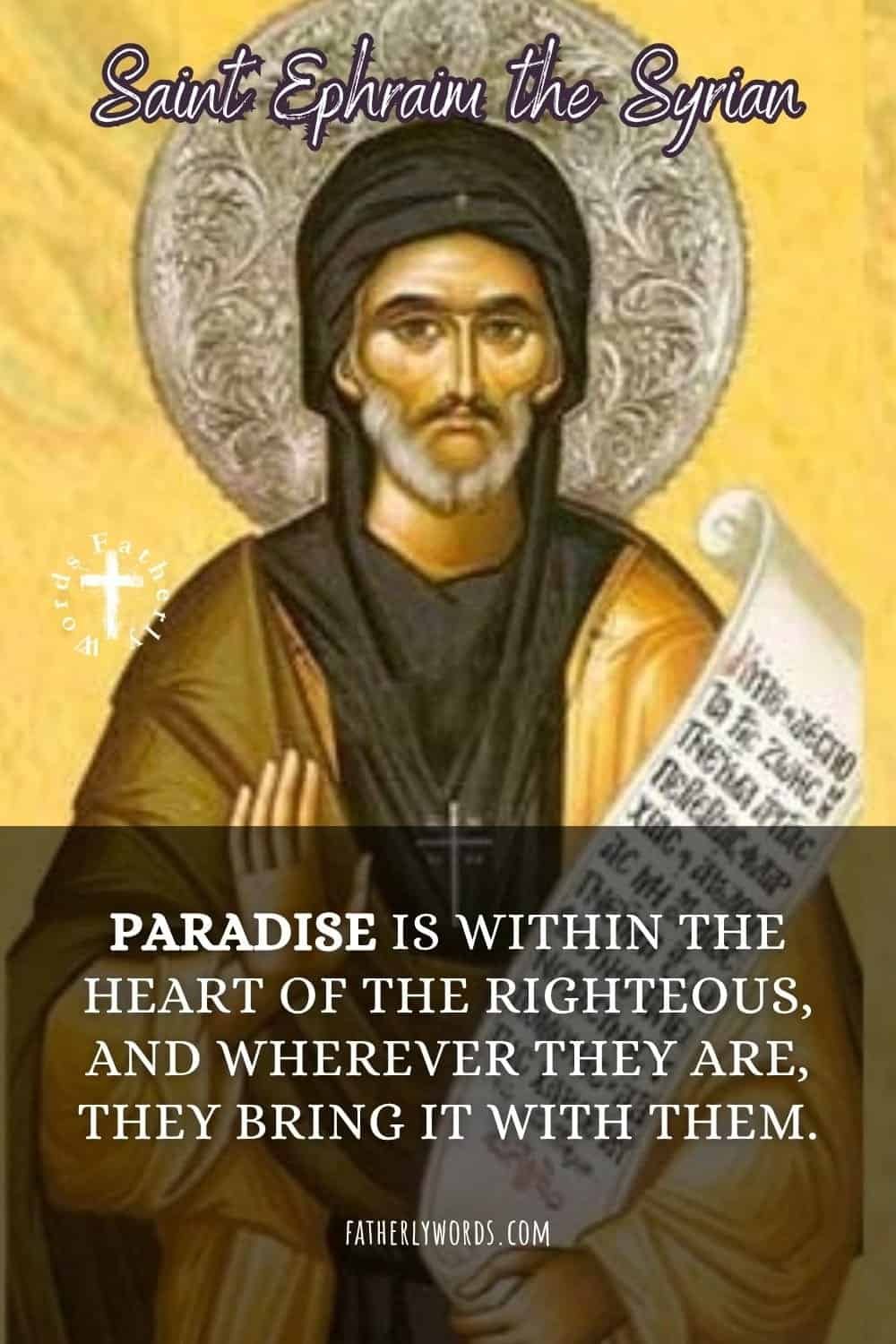
This inner change is greater than any external miracle.
Why This Teaching Matters
Understanding that God does not force faith changes how we approach spiritual life. It removes fear and replaces it with responsibility.
We are not compelled to believe. We are invited.
This invitation is an expression of divine love. God respects the freedom He gave us, even when we misuse it.
The Psalmist expresses trust:
“Taste and see that the Lord is good.”
Psalm 33:9 (LXX)
Faith is an experience, not an imposition.
Conclusion
God never forces faith through miracles because He desires love, not submission. Orthodox Christianity teaches that true belief comes from a free and willing heart.
Miracles exist, but they serve as invitations, not commands. The greatest miracle is not something seen with the eyes, but something experienced within the soul.
Faith is a journey. It begins with a small step toward God and grows into a living relationship. This is the path that leads to true life.
Dive Deeper: