
From the beginning of creation, God gave mankind dominion over the earth, not as a license to exploit it but as a sacred trust. Adam was placed in Paradise to care for it, to serve it with love, and to unite creation to its Creator through thanksgiving.
In Orthodox Christianity, this calling has never changed. Man was made to be a mediator between God and the natural world. Yet through sin, he lost this harmony, and nature became disobedient to him because he first became disobedient to God.
When holiness returns to the heart, the order of creation begins to be restored. True holiness, grounded in humility and divine grace, brings peace even to the visible world.
The Saints of Orthodox Christianity show that when the human soul is reconciled to God, nature itself becomes reconciled to man. Animals obey, storms calm, and creation reflects the serenity of the Creator.
Psalm 8 declares:
“Thou hast made him to have dominion over the works of Thy hands; Thou hast put all things under his feet.”
Psalm 8:6, LXX
This dominion is not tyranny but love transfigured by grace. The one who is holy does not command nature through force but through harmony. His will and the will of God have become one, and creation responds with joy.

The Lost Harmony of Creation
Before the Fall, man lived in perfect communion with God, and this communion extended to all creation.
The lion did not devour, the serpent did not harm, and the earth yielded fruit without toil. The harmony of nature reflected the inner peace of Adam and Eve.
But when sin entered the heart, disorder entered the world. The Fathers teach that creation fell because man fell. His rebellion shattered the unity between heaven and earth.
Saint Symeon the New Theologian explains:
“When man separated himself from God, he dragged down with him the whole of creation.”
This is why the Apostle Paul writes:
“The whole creation groans and travails in pain together until now, waiting for the revelation of the sons of God.”
Romans 8:22
Creation longs for the restoration of holiness in mankind, for only then will it return to peace. The natural world suffers because man, its caretaker, has become estranged from its Creator.
Holiness as the Restoration of the Human Vocation
True holiness is not an escape from the world but its healing.
The saints of Orthodox Christianity are those who have returned to the original calling of Adam: to live in obedience, to bless God, and to be mediators of grace in creation.
When man becomes holy, he no longer struggles against nature but cooperates with it. His purity restores what sin destroyed. This harmony is not magic but grace. It is the reflection of divine order returning to creation through one who has been cleansed of passions.
Saint Isaac the Syrian said:
“When a man’s heart is filled with compassion for all creation, when he cannot bear to see pain even in animals, then the Spirit of God rests upon him.”
Such a person has rediscovered what it means to be human. His holiness radiates peace to all things, visible and invisible.
The Peace of the Saints and the Obedience of Nature
Throughout the centuries, Orthodox Christianity has preserved countless accounts of saints whose holiness affected the natural world around them. Not as displays of power, but as fruits of divine harmony.
Saint Seraphim of Sarov lived in the Russian forest in peace with wild animals. Bears approached him without fear, and birds ate from his hands. The animals recognized in him not a master but a friend, for his soul was filled with the peace of Christ.
Saint Gerasimos of Jordan was known for taming a fierce lion by an act of mercy, removing a thorn from its paw. The lion remained with him until death.
Saint Spyridon of Trimythous once prayed, and the rain ceased instantly. The people were amazed not by his authority but by his deep communion with God.
Saint Anthony the Great, the father of monasticism, lived among wild beasts in the Egyptian desert, yet none harmed him. His disciples said the animals sensed in him the same peace that once reigned in Paradise.
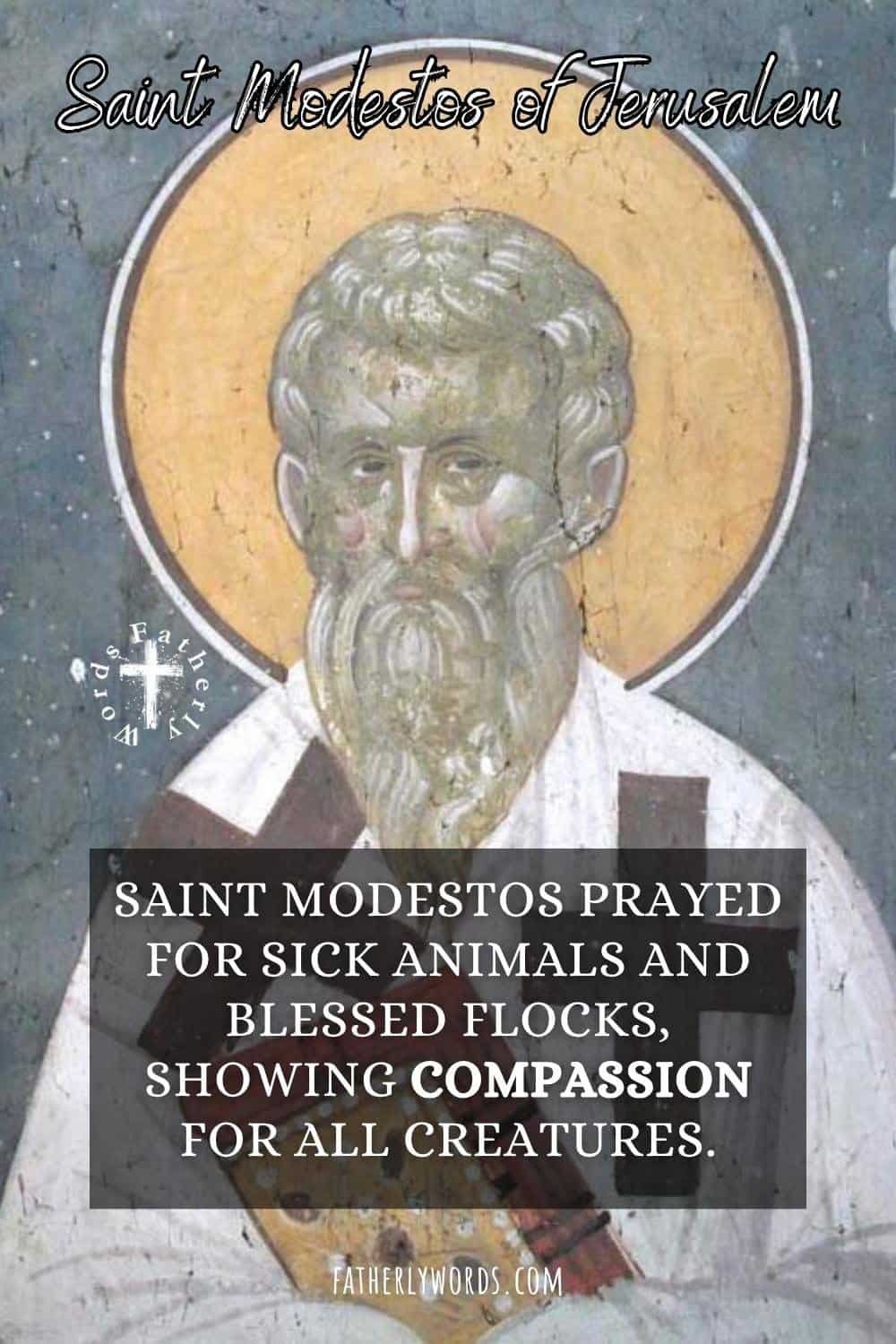
Saint Modestos, Patriarch of Jerusalem, prayed for the healing of sick animals and blessed the flocks of shepherds, showing compassion even for the smallest of God’s creatures.
Saint Gerasimos of Cephalonia was known for calming storms through prayer, protecting sailors and fishermen from disaster. His prayers brought peace not only to human hearts but also to the sea itself.
Saint Nektarios of Aegina, in more recent times, blessed barren land on his island, and soon it produced fruit again. His holiness sanctified the soil, revealing that the grace of God is not bound by time or place.
Saint Herman of Alaska lived in harmony with the wild creatures of the frozen north. The bears and foxes took food from his hands, and the native peoples said that even the wind and sea respected his prayers.
Saint Paisios of Mount Athos cared tenderly for the creatures near his hermitage. Birds and small animals came to him freely, and he often said that when man is reconciled with God, the whole creation becomes his friend.
Saint Amphilochios of Patmos prayed for trees that bore no fruit, and they began to yield abundantly again. He would remind the faithful:
“When the soul bears fruit for God, even the trees around it rejoice.”
These stories are not legends; they are signs of the restoration of Paradise through holiness. When man returns to God, creation returns to man.
The Source of Power: Union with God
The power of holiness is not human power. It comes from God, who acts through those who have united their will to His. Holiness restores the image of God in man, making him once more a living temple of the Holy Spirit.
Christ Himself revealed this harmony in His earthly life. When He walked upon the water, multiplied bread, or calmed the sea, creation obeyed its Maker.
The saints, by grace, share in this authority because they live in communion with Him.
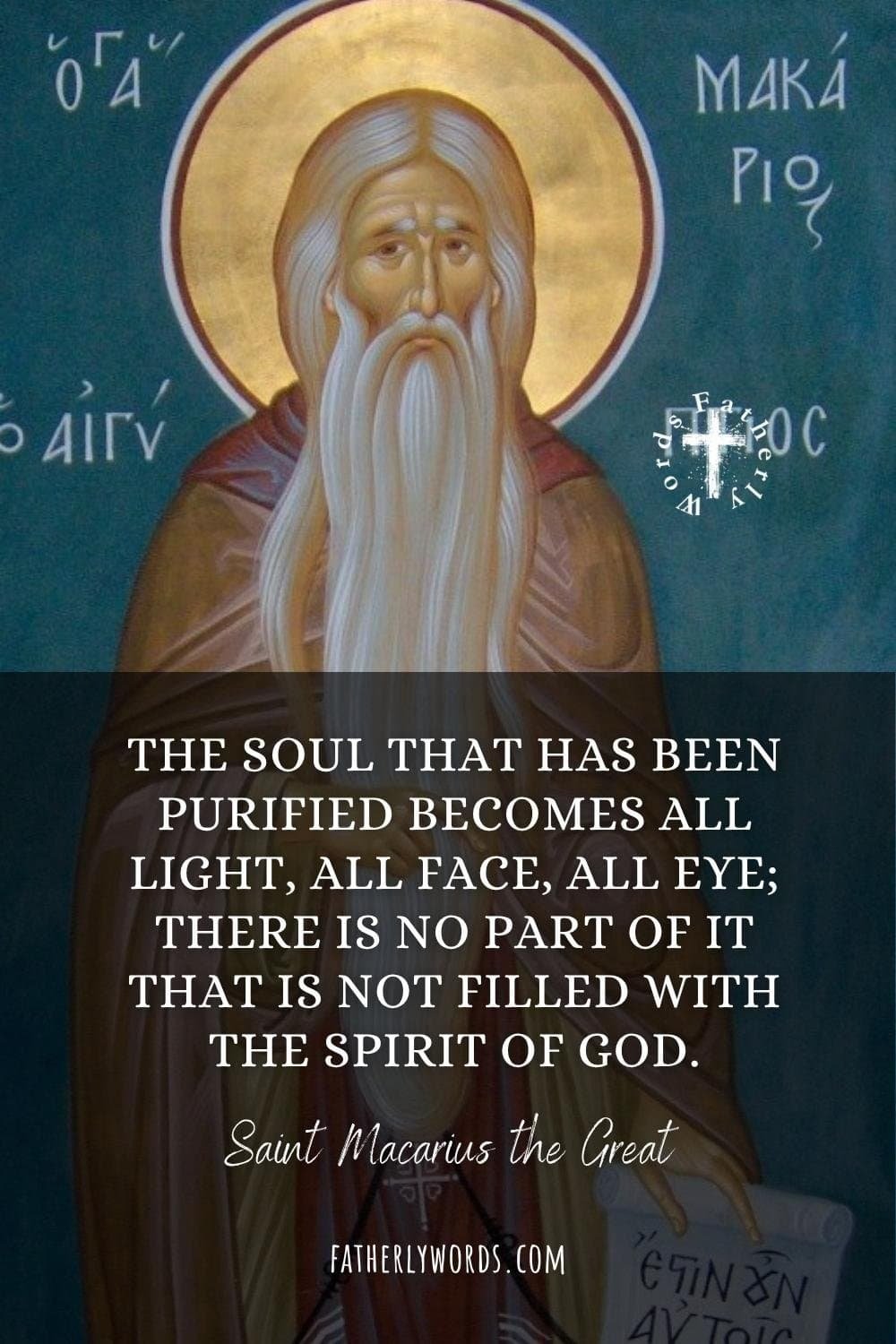
Saint Macarius the Great said:
“The soul that has been purified becomes all light, all face, all eye; there is no part of it that is not filled with the Spirit of God.”
When the Holy Spirit dwells fully in a person, even the elements of nature recognize divine presence. The holiness of the saint is not a private achievement but a revelation of God’s kingdom already manifest in creation.
The Harmony Between Creation and the Holy
In Orthodox Christianity, nature is not fallen beyond hope. It still bears the fingerprints of the Creator and responds to holiness with joy.
This is why in the lives of saints, we see nature cooperating with grace: springs appear where they pray, animals serve them without harm, and even death itself yields to the life of Christ within them.
Psalm 91 sings:
“The righteous shall flourish like a palm tree; he shall grow like a cedar in Lebanon.”
Psalm 91:12, LXX
The righteous one grows in harmony with creation. His holiness is fruitful because it is rooted in humility. Unlike fallen man, who seeks to dominate nature, the holy man serves it. His authority comes from service, his power from love.
Saint Paisios of Mount Athos once said:
“When man is at peace with God, all creation is at peace with him.”
This peace is not sentiment but participation in divine life. It is the true ecology of the soul.
The Modern View of Nature
The modern world sees nature as a resource to be used or a force to be controlled. Science studies its laws but rarely sees its meaning. The relationship between man and creation has been reduced to utility. The spiritual dimension has been forgotten.
Orthodox Christianity, on the other hand, sees nature as a revelation of God’s wisdom. The world is a temple, and man is its priest. Each tree, mountain, and river speaks silently of the Creator. To live in harmony with nature is to live in thanksgiving and obedience.
The loss of holiness has led to the loss of respect for creation. Pollution, exploitation, and greed are outward signs of an inward corruption.
When the soul is restless, the earth suffers. When the soul is healed, the world begins to heal as well.
Psalm 103 proclaims:
“O Lord, how manifold are Thy works! In wisdom hast Thou made them all.”
Psalm 103:24, LXX
Creation is not random but full of divine order. Only the pure heart can perceive this order and participate in its peace.
The Fruits of Holiness in the World
The power of holiness over nature is not meant for spectacle but for service. The saints never used this grace to glorify themselves. They prayed for rain to help the hungry, calmed storms to save others, and healed the sick out of compassion. Their holiness was love in action.
Saint Nicholas, for example, prayed during a terrible drought, and the rains came. Saint Nektarios of Aegina prayed for barren land, and it bore fruit. The holiness of the saints nourishes not only souls but the world itself.
This shows that creation responds not to the proud but to the humble. The saint does not command nature with pride but blesses it through love.
His authority comes from being emptied of himself and filled with Christ.
The Restoration of Paradise
In Orthodox Christianity, the lives of the saints are glimpses of the restoration of Paradise. Through holiness, man regains his original relationship with creation. The peace that Adam lost returns in the hearts of those who have purified their passions.
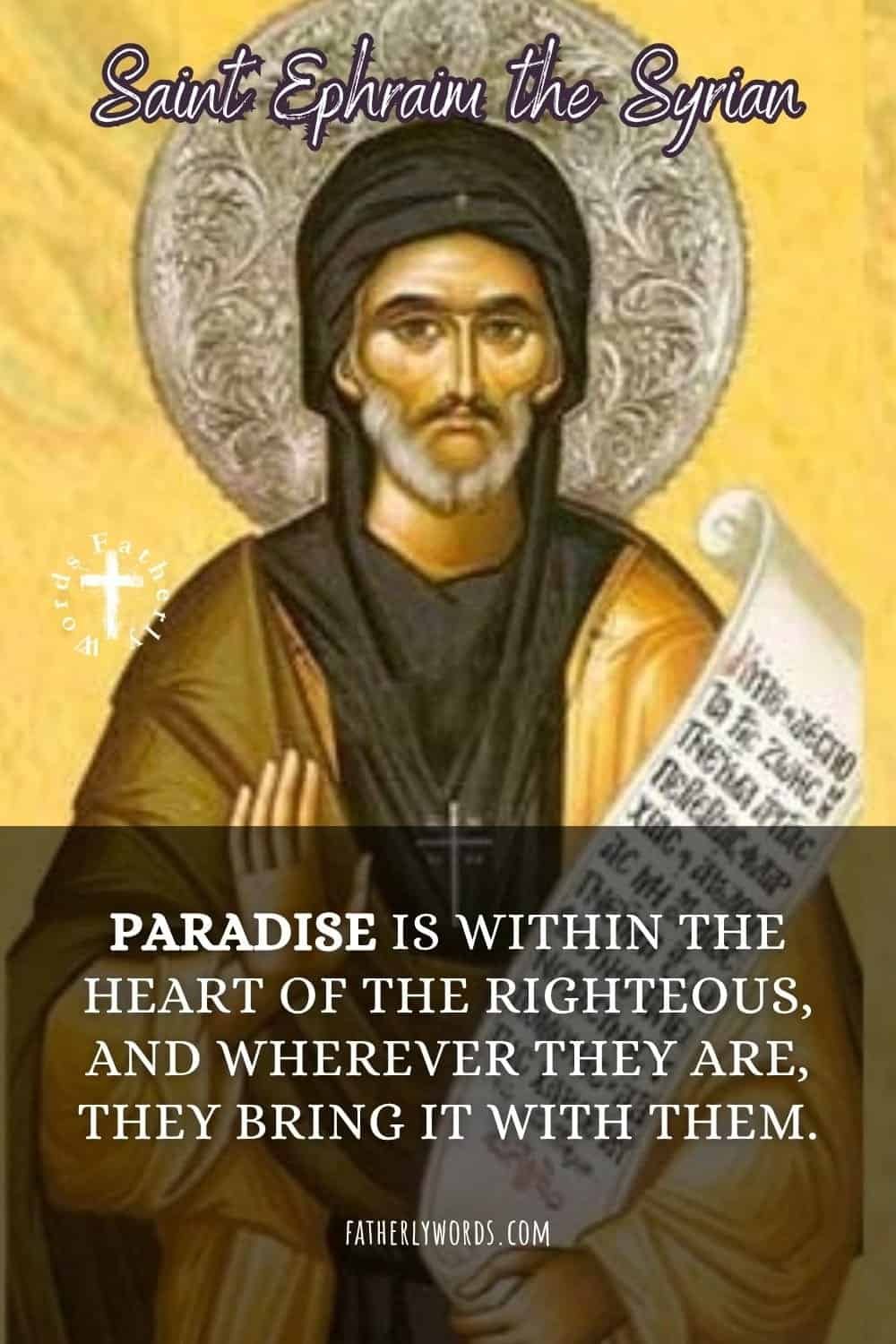
Saint Ephraim the Syrian wrote:
“Paradise is within the heart of the righteous, and wherever they are, they bring it with them.”
This means that holiness transforms the world from within. The saint carries peace into the wilderness, and the wilderness becomes a garden. His inner light shines upon all that surrounds him.
The Christian who strives for holiness continues this same path. By prayer, fasting, and love, he brings harmony to his family, his community, and even to the earth itself. Every act of humility restores what sin has broken.
The Call to Every Believer
The power of holiness over nature is not limited to the saints of old. Every Orthodox Christian, by grace, can begin to restore peace in his own sphere.
When a believer prays sincerely, gives thanks, and refrains from harming others, the grace of God flows quietly through his life into the world.
The smallest act of kindness, the simplest prayer of gratitude before a meal, becomes a sanctification of creation. This is how Orthodox Christianity understands salvation—not as escape from the world but as its transfiguration.
Psalm 148 invites all creation to praise:
“Praise Him, sun and moon; praise Him, all ye stars of light.”
Psalm 148:3, LXX
The holy person joins this universal hymn. His heart becomes one with the song of creation. He does not dominate the world; he blesses it.
How Parents Can Explain This to Children
Parents can help children understand holiness and nature by saying:
“When we love God and try to be good, even the world around us becomes more beautiful. The animals feel safe, the plants grow well, and everything seems happy. But when people are selfish or angry, the world becomes sad. So when we pray, help others, and thank God for His gifts, we make the world a better place.”
Children can also learn through simple acts: feeding birds, planting trees, or caring for pets. Through these small lessons, they begin to see that holiness is not far away but lived each day through love and gentleness toward all creation.