
The Gospel of Matthew is frequently referred to by Church Fathers as the Gospel of the Kingdom because it continually directs our spiritual eyes toward the heavenly reign of God.
From the Sermon on the Mount to the final judgment narrative, Christ insists that seeking first the Kingdom of God and His righteousness must be the central purpose of human existence.
Entry into this Kingdom is not reserved for those who merely say “Lord, Lord,” but for those who actively fulfill the divine will of the Heavenly Father, centered upon true love for God and neighbor.
On the 11th Sunday of Matthew, the Orthodox Church places before us one of the most sobering parables spoken by our Lord Jesus Christ: the Parable of the Unforgiving Servant (also known as the Parable of the Ten Thousand Talents).
This specific Gospel reading acts as a profound mirror for the human soul, exposing the hypocrisy of seeking divine mercy while remaining hard-hearted toward our fellow human beings.
The Holy Gospel: Saint Matthew 18:23–35
[23] Therefore is the kingdom of heaven likened to a king, who would take an account of his servants.
[24] And when he had begun to take the account, one was brought to him, that owed him ten thousand talents.
[25] And as he had not wherewith to pay it, his lord commanded that he should be sold, and his wife and children and all that he had, and payment to be made.
[26] But that servant falling down, besought him, saying: Have patience with me, and I will pay thee all.
[27] And the lord of that servant being moved with pity, let him go and forgave him the debt.
[28] But when that servant was gone out, he found one of his fellow servants that owed him an hundred pence: and laying hold of him, throttled him, saying: Pay what thou owest.
[29] And his fellow servant falling down, besought him, saying: Have patience with me, and I will pay thee all.
[30] And he would not: but went and cast him into prison, till he paid the debt.
[31] Now his fellow servants seeing what was done, were very much grieved, and they came and told their lord all that was done.
[32] Then his lord called him; and said to him: Thou wicked servant, I forgave thee all the debt, because thou besoughtest me:
[33] Shouldst not thou then have had compassion also on thy fellow servant, even as I had compassion on thee?
[34] And his lord being angry, delivered him to the torturers until he paid all the debt.
[35] So also shall my heavenly Father do to you, if you forgive not every one his brother from your hearts.
Matthew 18:23–35 Explained: Why It Is Read on the 11th Sunday of Matthew
Read during the late summer liturgical cycle, this Gospel reading serves as a necessary check on our spiritual progress. As we navigate our daily lives, fasts, and liturgical feast days, we can easily fall into the trap of self-righteousness, believing our personal spiritual labor earns us God’s favor.
The Orthodox Church appoints Matthew 18:23–35 on the 11th Sunday after Pentecost to remind us that our entire relationship with God rests upon unmerited mercy. The merciful Lord spent His earthly ministry scattering mercy, healing diseases, and softening pain. Even when met with ingratitude, He crowned His boundless mercy upon the Holy Cross by forgiving His executioners with the prayer: “Father, forgive them, for they know not what they do.”
By reading this passage at this point in the liturgical year, the Church reminds us that we cannot approach the holy mysteries or claim to be disciples of Christ if we harbor resentment.
True spiritual growth is measured by our willingness to reflect God’s selfless love into the world around us.
Commentary on the Gospel Reading: Unlocking Patristic Meaning
A close look at the text reveals layers of theological depth regarding our spiritual debt, divine justice, and the true cost of unforgiveness.
The Math of Mercy: 10,000 Talents vs. 100 Denarii
When the King begins to settle accounts, a servant is brought before him who owes ten thousand talents. To understand the magnitude of this figure, one talent in the ancient Greco-Roman world equaled approximately 240 gold coins or 6,000 denarii (a denarius being a full day’s wage for a laborer).
Ten thousand talents represented roughly 60,000,000 days of labor—an astronomical and effectively unpayable debt, illustrating the immeasurable mercy of the king’s forgiveness.
In Orthodox commentary on the Gospel reading, Holy Fathers note that this vast sum symbolizes the infinite weight of human sin. Job noted that man cannot live a single day on earth without sinning. We accrue a spiritual debt before our Creator that no human labor, ascetic effort, or financial ransom could ever settle.
When the debtor falls down and pleads for patience, the King performs an act of noble generosity. He does not merely grant a payment extension; he completely cancels the entire debt and sets the servant free. Behind this merciful King stands our Heavenly Father, who canceled the handwriting of our sins through the sacrificial death of Christ on the Cross.
Yet, immediately upon leaving the palace, this forgiven man finds a fellow servant who owes him one hundred denarii—a substantial sum in itself, but utterly insignificant compared with the enormous debt that had just been forgiven him.
Rather than extending the mercy he just received, he grab his fellow servant by the throat and demands payment. When his fellow servant kneels and uses the exact same words (“Have patience with me, and I will pay thee all“), the ruthless man casts him into prison.
This stark mathematical contrast exposes the absurdity of human bitterness. The offenses others commit against us are small debts of one hundred denarii, whereas our personal transgressions against God represent an unpayable mountain of ten thousand talents.
Debt Owed to God (Our Sins):
10,000 Talents ≈ 60,000,000 Days of Labor — An Effectively Unpayable DebtDebt Owed to Us (Offenses by Others):
100 Denarii ≈ 100 Days of Labor — A Comparatively Small Debt
The Role of Conscience and Righteous Grief
The Gospel narrative highlights the reaction of the other servants: “Now his fellow servants seeing what was done, were very much grieved, and they came and told their lord all that was done.”
These conscious servants represent righteous Christians who are deeply disturbed by injustice, cruelty, and hard-heartedness.
While God is omniscient and does not require human reports to know what transpires, the Evangelist Matthew emphasizes the human factor cooperating with divine providence. God honors the prayers and cries of those who grieve over world wickedness, using their witness as an instrument of divine justice and restoration.
The Final Judgment: Condemned by Our Own Unforgiveness
Upon hearing of the servant’s cruelty, the Lord summons him and asks a profound question: “Shouldst not thou then have had compassion also on thy fellow servant, even as I had compassion on thee?“
God is a gentle Father, but He is also a righteous Judge. His judgment is without mercy to anyone who shows no mercy. The King delivers the wicked servant to the torturers until he pays all that was due. Because ten thousand talents can never be paid back, this phrase signifies eternal condemnation and separation from God.
The parable closes with a solemn warning: “So also shall my heavenly Father do to you, if you forgive not every one his brother from your hearts.”
God does not arbitrarily condemn us. Rather, our own choice to withhold mercy seals our heart shut against receiving divine mercy. When we pray the Lord’s Prayer—”Forgive us our debts, as we forgive our debtors“—we pronounce our own verdict if we harbor hatred toward our neighbor.
When studying this parable, many of us recognize our own inner struggles, as holding onto grudges and living under emotional tension creates a deep sense of modern anxiety.
True spiritual healing begins when we bring this internal chaos before God through Orthodox tradition’s powerful spiritual medicine: praying specific Psalms of David alongside the focused intercessory prayers of Saint Arsenios of Cappadocia. To help you cultivate a daily practice of peaceful prayer and overcome anxiety through ancient wisdom, fill out our simple form to receive your free ebook delivered directly to your inbox so you can discover the quiet stability your soul craves.
Practical Applications for Everyday Orthodox Life
Understanding the Parable of the Unforgiving Servant intellectually is not enough; Christ demands that we apply this teaching “from our hearts.” Here are practical ways to embody this Gospel lesson in daily life:
- Practice Immediate Forgiveness: When someone slights, insults, or wrongs you, remember the 10,000 talents God has forgiven you. Refuse to let resentment take root in your mind.
- Stop Replaying Offenses: Memory of wrongs (mnesikakia) poisons the soul. When an old grievance surfaces, replace it immediately with the Jesus Prayer: “Lord Jesus Christ, Son of God, have mercy on me, a sinner.”
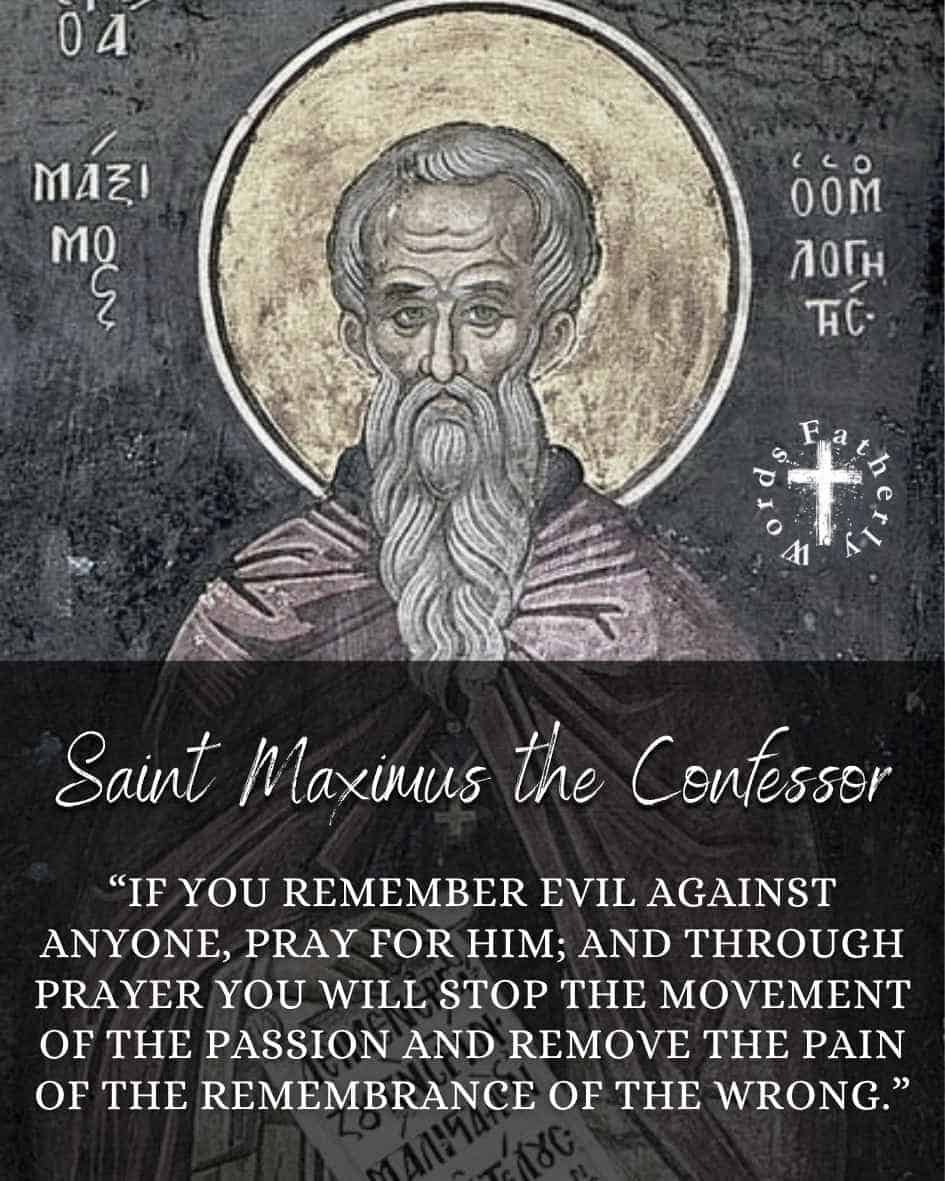
- Pray for Those Who Offend You: Saint John Chrysostom teaches that praying for our enemies is the fastest way to cleanse our hearts of anger. Include those who have hurt you in your daily evening prayers.
- Examine Your Heart Before Holy Communion: We cannot approach the Holy Chalice with hatred in our hearts. Prepare for Holy Confession by seeking reconciliation with family members, friends, and fellow parishioners.
- Refuse Spiritual Gossip: The wicked servant throttled his debtor. We throttle our brothers and sisters when we ruin their reputations through gossip, harsh judgment, and social condemnation.
Carry the Victory of Christ into Your Daily Life
Living as an Orthodox Christian in a modern secular society requires daily visual reminders of where our true hope lies. While the world promotes division, fear, and endless noise, our calling is to stay anchored in the unconditional victory of the Cross.
To support our ministry and help you carry a quiet confession of faith into your daily routine, we are glad to share an exclusive piece from our official apparel line.
Featuring the traditional IC XC NIKA Christogram, this garment honors the timeless symbol of our Lord’s triumph over death and sin.

New!
Carry the Symbol of Victory
From $29.45
In a world full of noise and worry, remind yourself, and everyone you meet, that Jesus Christ Conquers.
The traditional IC XC NIKA Christogram has stood for centuries.
Our 🎁 gift to the community: use code WELCOME-10 at checkout.
Dive Deeper:
